
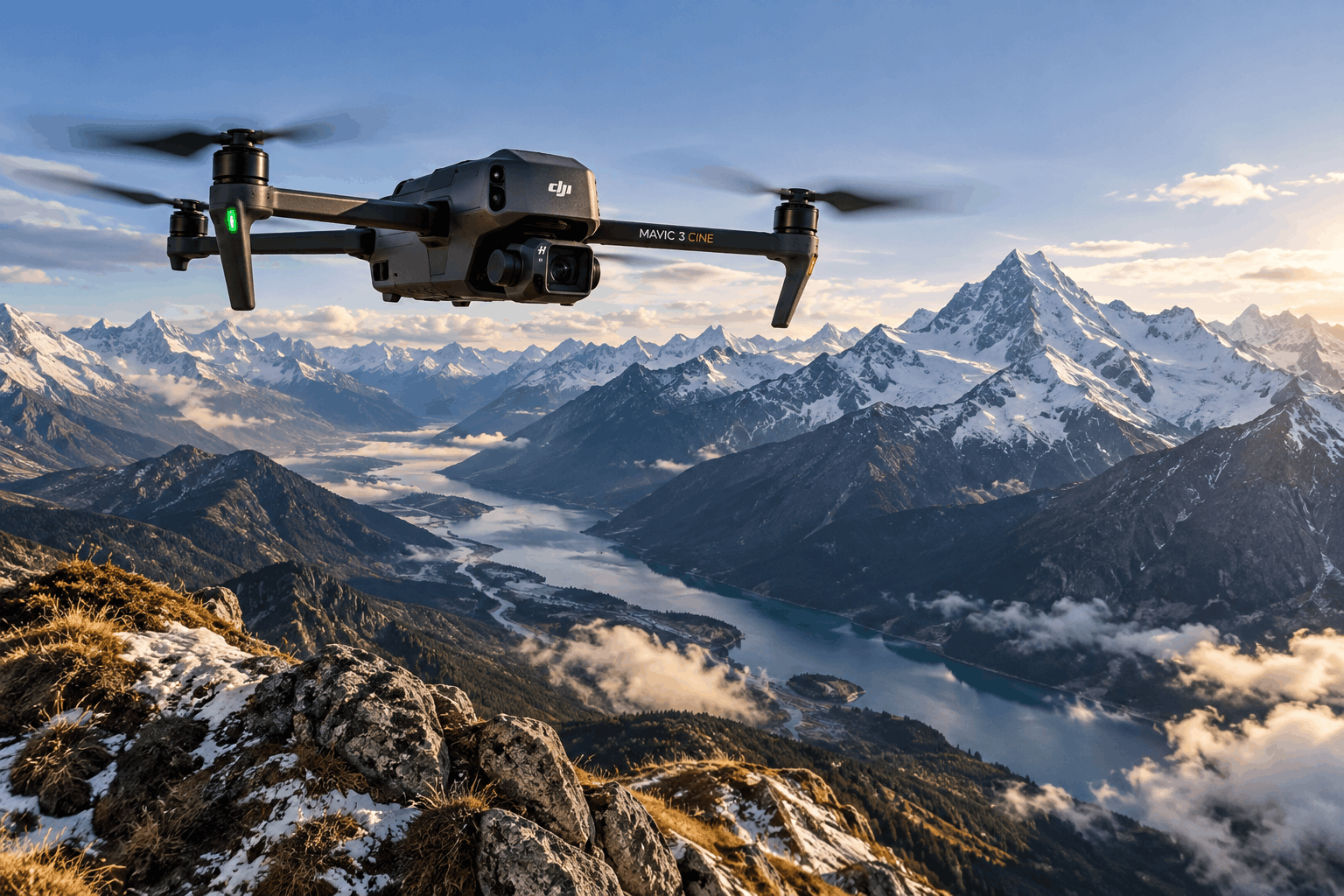
-The world of drones has expanded far beyond simple aerial photography. Today, drone enthusiasts can choose from camera drones, beginner quadcopters, freestyle models, and high-speed FPV racing drones. Among these options, FPV drones have become particularly popular because they provide an immersive flying experience and give pilots a greater sense of control.
However, choosing the right FPV drone can be challenging, especially for beginners. Different models offer different flight characteristics, camera systems, battery capacities, transmission technologies, and control features. Understanding these differences can help you select a drone that matches your experience and expectations.
What Is an FPV Drone?
FPV stands for First Person View. An FPV drone typically uses a camera to transmit a live video feed to the pilot through FPV goggles, a monitor, or another compatible display.
Instead of controlling the drone while watching it from the ground, the pilot can see the flight environment from the drone’s perspective. This creates a much more immersive experience.
FPV drones are commonly used for racing, freestyle flying, exploration, and cinematic footage. Their responsive controls and agile flight characteristics make them especially appealing to experienced drone pilots.
Why Choose an FPV Drone?
One of the biggest advantages of an FPV drone is the level of immersion it provides. Flying through trees, around obstacles, or across open landscapes can feel dramatically different when you are viewing the world from the drone’s perspective.
FPV drones are also known for their maneuverability. Many models can make rapid turns, dives, climbs, and other aerial movements.
For people interested in drone racing, FPV technology is particularly valuable. Pilots can react to the course in real time, making quick decisions based on the live video feed.
Important Features to Consider
Before purchasing an FPV drone, it is important to understand the features that have the greatest impact on performance.
1. Flight Controller
The flight controller is essentially the brain of a drone. It processes information from sensors and translates the pilot’s commands into movements.
A responsive flight controller can contribute to smoother and more predictable flying. Advanced pilots may also appreciate systems that allow greater customization of flight settings.
If you are new to FPV flying, look for a drone with beginner-friendly settings that allow you to learn gradually.
2. FPV Camera
The camera is one of the most important components of an FPV system. A good camera provides a clear and responsive view of the environment.
When comparing FPV drone cameras, consider resolution, field of view, image quality, and latency. Low latency is especially important for racing because even a small delay can make fast maneuvering more difficult.
Digital FPV systems can provide impressive image quality, while analog systems remain popular among some racing enthusiasts because of their established technology and responsiveness.
3. Battery and Flight Time
Battery capacity directly affects how long your drone can remain in the air. High-performance drones can consume significant power, particularly during aggressive flying.
Instead of focusing only on the advertised maximum flight time, consider the type of flying you plan to do. Racing and freestyle flying can drain batteries faster than gentle cruising.
Keeping several charged batteries available can significantly improve your flying sessions. Always use batteries that are compatible with your specific drone and follow proper charging and storage practices.
4. Motor and Propeller Configuration
Motors provide the power required to lift and maneuver the drone. In performance-oriented models, brushless motors are widely used because they provide strong and efficient performance.
Propellers also influence acceleration, responsiveness, and efficiency. Different propeller sizes and configurations can produce different flight characteristics.
For beginners, it is usually better to use the manufacturer’s recommended setup until they become familiar with the drone.
FPV Racing Drone or Freestyle Drone?
Although racing and freestyle drones may look similar, they are designed for different purposes.
A racing drone is generally optimized for speed, acceleration, and precise maneuvering. It may use a lightweight frame and performance-focused components.
A freestyle FPV drone is usually designed for more expressive aerial movements. Pilots may perform flips, rolls, dives, and other tricks.
If your goal is competitive racing, prioritize speed, responsiveness, and low weight. If you want to create dynamic videos or practice aerial tricks, a durable freestyle configuration may be more appropriate.
Choosing an FPV Drone for Beginners
New pilots should avoid choosing equipment based solely on maximum speed. A very powerful racing drone can be difficult to control without previous experience.
A beginner FPV drone should ideally offer manageable flight characteristics, durable construction, and relatively simple controls. Some beginner models include multiple flight modes that allow users to start with easier settings before progressing toward full manual control.
Small indoor-friendly FPV drones can also be useful for learning basic controls. Once you become comfortable with hovering, turning, acceleration, and landing, you can move toward larger and faster models.
Durability and Replacement Parts Matter
Crashes are part of learning to fly FPV drones. Even experienced pilots occasionally make mistakes, particularly when performing complicated maneuvers.
For this reason, durability should be an important part of your buying decision. A strong frame and protected components can help minimize damage from minor crashes.
You should also check whether replacement propellers, motors, frames, batteries, and other parts are easily available.
A drone with readily available spare parts can be much easier and more affordable to maintain over the long term.
Essential FPV Drone Accessories
A complete FPV setup often includes more than just the aircraft. Depending on the model, you may need FPV goggles, a radio controller, batteries, a charger, spare propellers, and basic repair tools.
Extra batteries are particularly useful for longer flying sessions. Spare propellers are also worth keeping because they can become damaged during hard landings or collisions.
Pilots who frequently fly outdoors may also benefit from carrying a small repair kit. Having the right tools available can help resolve minor problems without ending a flying session early.
Safety Should Always Come First
Speed and performance are exciting, but responsible flying is essential. Always check local drone regulations before operating your aircraft.
Fly in suitable areas and maintain awareness of people, buildings, vehicles, trees, and other obstacles. Avoid flying near restricted locations or in situations where a loss of control could create a safety risk.
If you are still learning, practice in a spacious area with minimal obstacles. Developing good control skills before attempting advanced maneuvers can make the hobby safer and more enjoyable.
Final Thoughts
Finding the best FPV drone depends on what you want to accomplish. Racing enthusiasts may prioritize speed and responsiveness, while beginners may prefer durability and easier flight modes. Freestyle pilots might focus on maneuverability and frame strength, while cinematic users may place greater importance on camera performance.
Before making a purchase, compare the flight controller, FPV camera, motors, battery system, transmission technology, durability, and availability of replacement parts.
The right equipment can make a significant difference, but practice remains equally important. With a suitable drone, reliable accessories, and consistent training, beginners can gradually develop their skills and eventually explore advanced FPV racing and freestyle flying.
Whether you are purchasing your first FPV drone or upgrading an existing setup, understanding the technology behind your equipment will help you make a smarter and more confident buying decision. Click here and pruchase from this site: https://racingsdroinbuyer.com/
Leave a Reply