
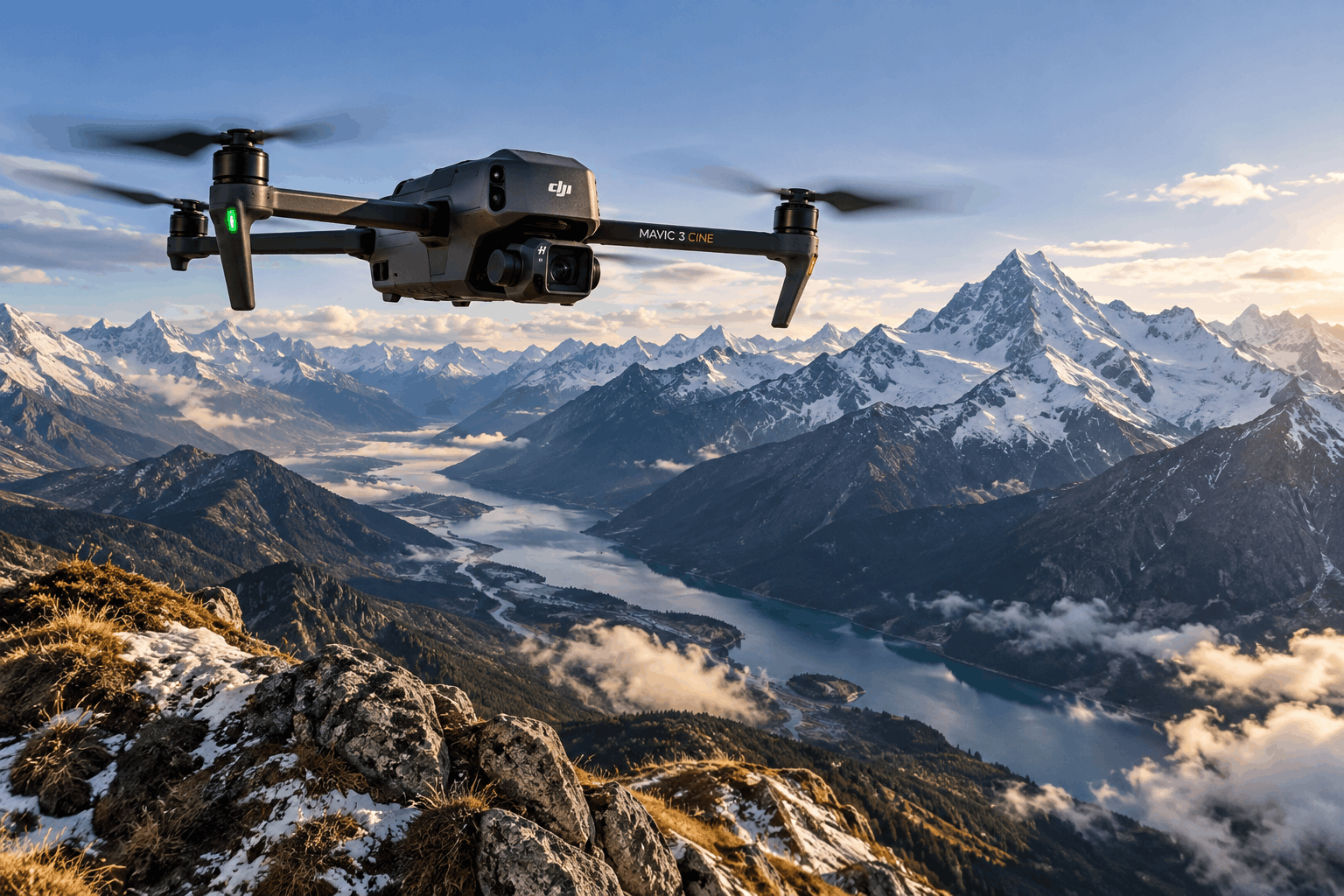
Drone technology has changed dramatically in recent years. What was once considered a specialized hobby has become an exciting activity for beginners, content creators, photographers, and competitive pilots. Among the many types of drones available today, racing drones stand out for their speed, agility, and immersive flying experience.
Whether you are interested in FPV racing or simply want a high-performance drone for outdoor flying, choosing the right model requires careful consideration. From flight speed and battery life to camera quality and controller responsiveness, several factors can influence your experience.
This guide explains what to look for when choosing a racing drone and how to find a model that matches your experience level and flying goals.
What Is a Racing Drone?
A racing drone is designed primarily for speed, maneuverability, and quick response. Unlike traditional camera drones that prioritize stable aerial photography, racing drones are built to make sharp turns, accelerate quickly, and navigate challenging courses.
Many racing drones are used with FPV (First Person View) technology. FPV allows pilots to see what the drone sees through compatible goggles or a display, creating a more immersive flying experience.
The combination of responsive controls, powerful motors, lightweight construction, and FPV technology makes racing drones popular among enthusiasts who want more excitement than conventional aerial photography can provide.
Why Are Racing Drones So Popular?
One of the biggest reasons people choose FPV racing drones is the sense of control they provide. Instead of simply watching a drone from the ground, pilots can experience flight from the drone’s perspective.
Racing drones are also highly customizable. Enthusiasts can upgrade components such as motors, propellers, batteries, cameras, and flight controllers to improve performance.
Another advantage is their agility. A quality racing quadcopter can perform fast turns, dives, climbs, and other maneuvers that may be difficult for conventional camera drones.
For beginners, however, it is important to start with a manageable model and develop flying skills gradually.
Key Features to Consider When Buying a Racing Drone
1. Flight Speed
Speed is one of the most important specifications for anyone interested in drone racing. A fast drone can provide an exciting experience, but maximum speed should not be the only factor influencing your purchase.
A powerful drone may require more experience to control. Beginners should consider models that offer different flight modes, allowing them to practice at lower speeds before moving to advanced settings.
2. Motor Performance
The motors determine how quickly a drone can accelerate and how effectively it can perform aerial maneuvers.
High-performance racing drone motors provide the power needed for rapid acceleration and responsive turns. Brushless motors are particularly popular in performance-oriented drones because they can deliver strong power while offering efficient operation.
When comparing drones, consider motor specifications together with the drone’s weight, battery, and propeller design.
3. Battery Life
Battery performance is another critical consideration. Racing drones consume considerable power because their motors operate at high speeds.
Although a longer flight time is useful, serious pilots often prioritize battery performance and quick battery replacement over simply choosing the drone with the longest advertised flight time.
It is also worth purchasing additional compatible batteries if you plan to spend extended periods practicing outdoors.
4. FPV Camera Quality
For an immersive flying experience, the FPV camera is extremely important. A responsive camera with a clear image can make it easier to navigate while flying at speed.
Modern drones may offer digital FPV systems with improved image quality and transmission. Traditional analog systems remain popular among some racing enthusiasts because of their responsiveness and established ecosystem.
When choosing an FPV drone, consider image clarity, latency, transmission range, and compatibility with your goggles or display.
5. Durability
Drone racing involves speed, obstacles, and sometimes crashes. Even experienced pilots can make mistakes, particularly when learning new maneuvers.
A durable frame can help protect important components during minor accidents. It is also useful to choose a drone with easily replaceable propellers, motors, and other components.
Before buying, check whether replacement parts are readily available. A drone that is inexpensive to purchase but difficult to repair may become costly over time.
Racing Drone vs. Camera Drone
Understanding the difference between a racing drone and a camera drone can make your buying decision easier.
A camera drone is generally designed for stable flight, aerial photography, GPS positioning, obstacle avoidance, and smooth video recording. Models from established brands such as DJI and Potensic are popular among users who prioritize photography and ease of operation.
A racing drone, on the other hand, focuses on speed, agility, responsiveness, and FPV performance.
If your main goal is capturing professional-looking aerial footage, a camera drone may be the better choice. If you want fast-paced flying and immersive control, an FPV racing drone could be more suitable.
Should Beginners Buy a Racing Drone?
Yes, but beginners should choose their first drone carefully.
Starting with an extremely powerful racing drone can make learning frustrating. A smaller or beginner-friendly FPV model can help new pilots understand throttle control, turning, hovering, and landing before they progress to more advanced equipment.
Practice in an open area away from people, buildings, trees, and other obstacles. Learning gradually can reduce the risk of damaging your drone and help you develop better control.
Some beginner drones also include features such as altitude hold, multiple speed modes, and simplified controls, making them easier to learn.
Essential Accessories for Drone Racing
Buying the drone is only the beginning. A serious pilot may also need several accessories.
Useful drone racing accessories include extra batteries, spare propellers, a reliable charger, FPV goggles, replacement frames, tools, and protective equipment.
Extra propellers are particularly useful because they are inexpensive and can become damaged during practice sessions. Keeping spare parts available means you can spend more time flying and less time waiting for replacements.
Final Thoughts
Choosing the best racing drone depends on your experience, budget, and flying goals. Speed is important, but factors such as motor performance, battery capacity, FPV camera quality, durability, and replacement-part availability should also be considered.
For beginners, a manageable and durable drone is often a better investment than the fastest model available. As your skills improve, you can explore more advanced FPV racing drones, upgrade components, and experiment with different flying styles.
Whether you are interested in competitive racing, freestyle flying, or simply experiencing the excitement of FPV flight, the right drone can make the hobby much more enjoyable. Take time to compare specifications, understand your requirements, and choose equipment that matches your current skill level.
With the right combination of practice, reliable equipment, and responsible flying habits, drone racing can become an exciting and rewarding hobby for enthusiasts of all experience levels. Click here to purchase: https://racingsdroinbuyer.com/
Leave a Reply